
Machines powered by Artificial Intelligence (AI) have become a major trend in the manufacturing industry. It is applied not only in software, but also to enhance workforce efficiency and enable accurate stock and inventory counting with zero errors.
Over the past few years, Industry 4.0 has been introduced to local players to upgrade their process flow through automation, reducing the need for manpower on production lines. This not only helps improve safety in the production line but also allows machines to operate overtime without fatigue.
Currently, major organisations are investing heavily in RAM and GPU upgrades to enhance their AI server performance, expand its capabilities and shorten data processing time. To equip machines with AI capabilities, significant investment is required to upgrade them into intelligent AI-enabled systems.
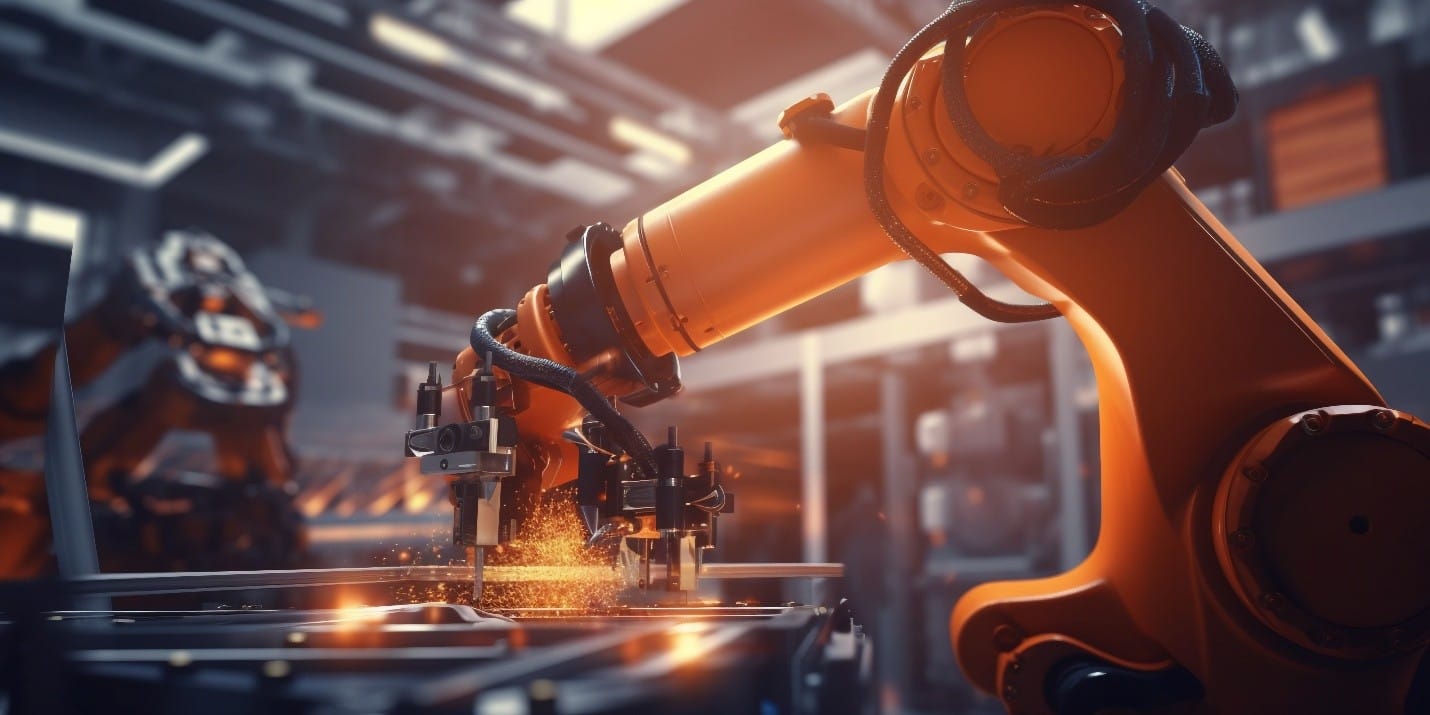
Evolution of Automation in Manufacturing
Upgrading automation machines with AI-driven learning represents a significant technological leap in the manufacturing industry.
With the rise of Industry 4.0, organisations began investing in machines with coding capabilities. In these setups, robotic engineers or technicians had to monitor the machine’s operations, debug programming errors, and ensure smooth final implementations. Regular checks were necessary to minimise the risk of production halts due to machine breakdowns.
By integrating AI, advanced coding, and self-learning into the machine’s processing unit – supported by sensors and visual cameras – the machine can now learn and adapt during operational programs. Instead of picking items from fixed locations, it can identify and select objects from a conveyor belt, even if their positions vary.
Performing repetitive tasks on the production line also addresses labour fatigue, as long hours of simple, decision-based work can be exhausting for humans. However, the high cost of sensors and the complexity of programming commands require companies to allocate additional funds and employ certified engineers for maintenance and debugging. As such, upgrading automation machines is a balance of investment and benefit – a give-and-take scenario.
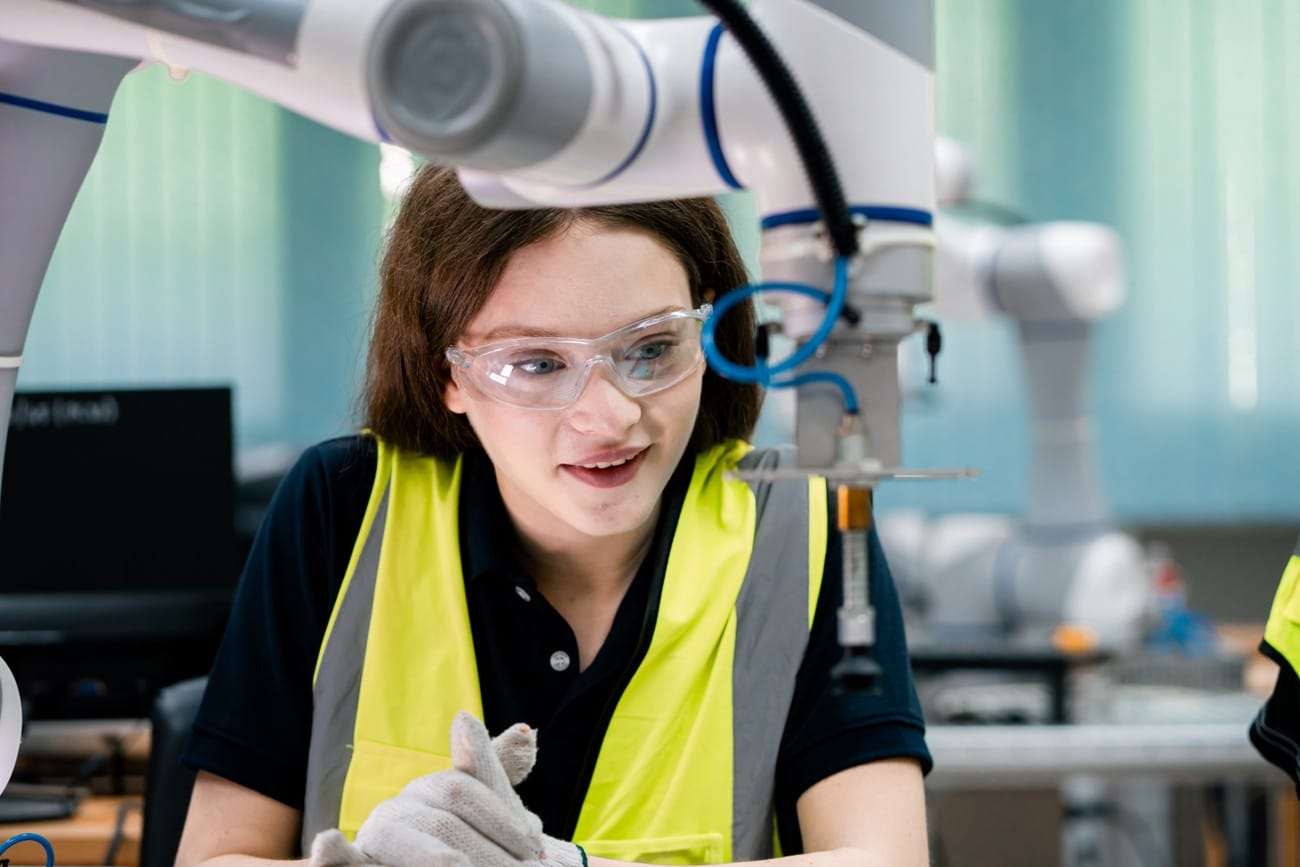
A robotic engineer or programmer is required on standby to troubleshoot robotic arms, debug codes or oversee operational learning.
Impact of Implementation
Investors in factories are required to commit significant upfront capital, albeit for a relatively short period. The addition of advanced sensors in machines indirectly raises the overall cost of automation implementation. Upgrading production systems is not a simple task – it demands substantial resources, not only for testing and control but also for hidden expenses such as investments in automation units and ongoing servicing costs from suppliers.
While skilled labour retains their roles, much of the production process is increasingly replaced by AI-powered machines. These machines can easily perform simple or repetitive tasks for long hours without breaks, leading to job displacement for a significant portion of the workforce. This change may lead to workforce disruption and create social and economic pressures for affected employees. Supporting these workers through retaining and new opportunities is crucial to ensure a smooth transition.
The disposal of old or damaged automation machines contributes to the growing issue of e-waste. Many of these machines are made with composite materials and complex electronics, which makes dismantling and recycling challenging. Awareness and practices for e-waste management are still developing within the industry, and in many cases, machines are disposed of through shredding or other destruction methods due to limited recycling options – similar to challenges seen with EV battery disposal.
Government support for automation initiatives remains limited in some regions, as advanced technologies are still relatively new to the manufacturing industry. High implementation costs and restricted access to funding make it difficult for many companies to adopt these innovations. As a result, some stakeholders choose to maintain existing production lines, which can create uneven competition – while a few companies advance with technology, others may struggle to remain competitive.
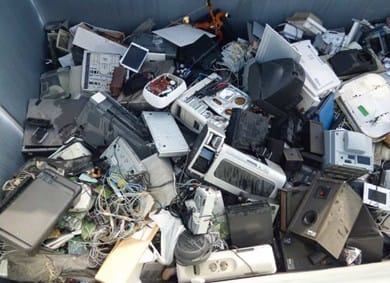
E-waste continues to grow, with materials that are challenging to reuse, reproduce, or recycle.
Machines should be Helping Humans, not Replacing Them
The rise of AI-powered automation is transforming the manufacturing industry. These machines can operate around the clock, handle repetitive tasks efficiently, and even work overtime without fatigue – boosting productivity and workplace safety. Yet, implementing full-scale automation requires significant investment, and replacing an entire production line could cost millions.
The key is finding a balanced approach: automation should complement human workers, taking on hazardous or repetitive tasks while allowing employees to focus on higher-value work. This not only improves efficiency but also reduces workplace risks and keeps human expertise at the center of operations. As AI continues to evolve, manufacturers have an exciting opportunity to rethink how technology and labour work together.
Are you ready to explore how AI automation can reshape your production line? Share your thoughts by contacting us via talk2us@cadcam.com.my
to discuss strategies for integrating smart automation in your facility.